
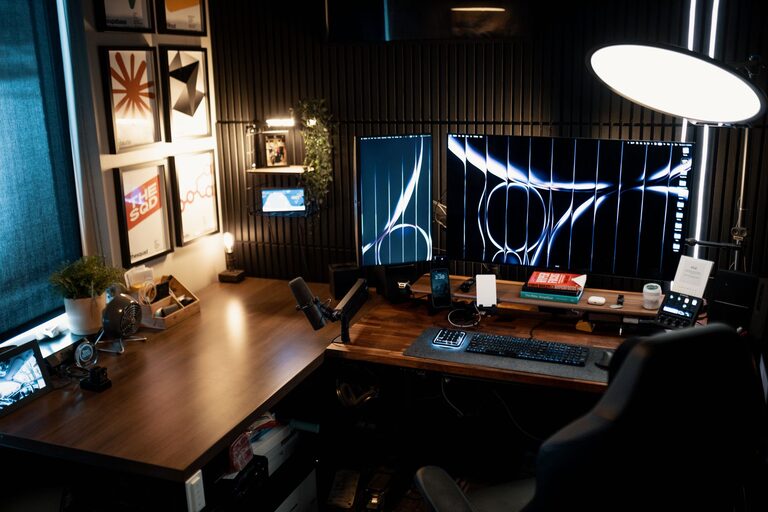
Working from home has become a common part of many people’s daily lives. Whether you’re freelancing, running a small business, or attending remote meetings, having a dedicated home office space that feels cozy and supports productivity is essential. Creating an environment that balances comfort and focus can make your workdays more enjoyable and efficient.
In this post, we’ll explore practical tips to help you design and maintain a home office that encourages productivity while providing a welcoming atmosphere.
1. Choose the Right Location
Find a Quiet Spot
Selecting a quiet area with minimal distractions is the first step in creating a productive workspace. If possible, pick a room or corner away from noise-heavy areas like the kitchen or living room.
Consider Natural Light
Natural light can improve your mood and energy levels. Set up your desk near a window to maximize daylight. If that’s not possible, invest in good quality lighting that mimics natural light.
2. Invest in Comfortable Furniture
Ergonomic Chair
A comfortable, ergonomic chair supports good posture and minimizes discomfort during long work hours. Look for adjustable chairs with lumbar support.
Spacious Desk
Choose a desk large enough to hold your computer, notebooks, and other essentials without clutter. A neat workspace helps your mind stay organized and focused.
3. Organize Your Space Efficiently
Declutter Regularly
Keep only the necessary items on your desk. Store papers, cables, and office supplies in drawers or organizers to maintain a clean workspace.
Use Shelves and Storage
Wall shelves or filing cabinets can keep your office neat and free of distractions, while making it easier to find things quickly.
4. Add Personal Touches for Comfort
Use Soft Textiles
A cozy rug, a soft throw blanket, or plush cushions can make your office feel inviting and comfortable.
Incorporate Greenery
Plants improve air quality and add a calming touch to your workspace. Choose low-maintenance plants like succulents or pothos.
5. Optimize Lighting for Productivity
Layered Lighting
Combine ambient, task, and accent lighting to reduce eye strain and create an atmosphere conducive to focused work. Desk lamps with adjustable brightness are helpful for detailed tasks.
Avoid Glare
Position screens and lights to minimize glare, which can cause headaches and reduce productivity.
6. Minimize Distractions
Use Noise-Cancelling Headphones
If background noise is unavoidable, noise-cancelling headphones can help you concentrate.
Keep Electronics Organized
Reduce screen clutter by closing unnecessary tabs and notifications. Consider using a separate device for work to avoid mixing personal and professional tasks.
7. Create a Routine and Zones
Set Work Hours
Define your work hours and stick to them. This helps your brain distinguish between work time and relaxation time, improving focus during office hours.
Designate Zones
If space allows, create separate zones for different activities, such as a desk area for computer work and a reading nook for brainstorming or breaks.
8. Maintain Good Air Quality and Temperature
Good ventilation and a comfortable room temperature contribute to your wellbeing and ability to focus. Open windows when possible, and use fans or heaters as needed to keep the temperature pleasant.
9. Use Technology to Stay Organized
Calendars and Task Apps
Digital tools like calendars, timers, and to-do lists can help you manage your workload and deadlines effectively.
Cable Management
Use cable organizers and clips to keep wires neat and reduce clutter that could distract or cause stress.
10. Take Regular Breaks
Remember that productivity isn’t about working nonstop. Stand up, stretch, or move around every hour to refresh your body and mind. Setting reminders to take breaks can improve focus in the long run.
—
Creating a cozy and productive home office space is about balancing comfort, organization, and mindfulness of your personal work habits. By tailoring your environment to suit your needs, you can enjoy a more efficient and pleasant remote work experience. Whether you’re starting from scratch or updating an existing area, these tips will help guide you toward a workspace that inspires both relaxation and achievement.